Therapeutic · Endocrine Support

Yoga for Thyroid Health — A Therapeutic Approach

Gentle, consistent yoga with Master Anil Choudhary — supporting thyroid function as a complement to your medical care. Studio in Hai Duong and live online worldwide.

12+
Years Teaching
1000+
Students Guided
20+
Countries
4.9★
Google Rated
Free
First Consultation

Master Anil's therapeutic approach to thyroid health uses gentle, consistent practice to support metabolism, calm the nervous system and stimulate healthy circulation around the throat and endocrine centres — as a complement to your medical treatment, never a replacement. Sessions focus on shoulder-stand-family postures (adapted for your body), specific pranayama that supports the throat area, and closing meditation to lower the chronic stress that so often exacerbates thyroid symptoms. Small-batch or private, available in-studio in Hai Duong, Vietnam and live online worldwide.

Your Teacher · E-E-A-T

Master Anil Choudhary

Certified Indian Yoga Master · Yoga Therapist · Founder, Yog Jivan Sanctuary

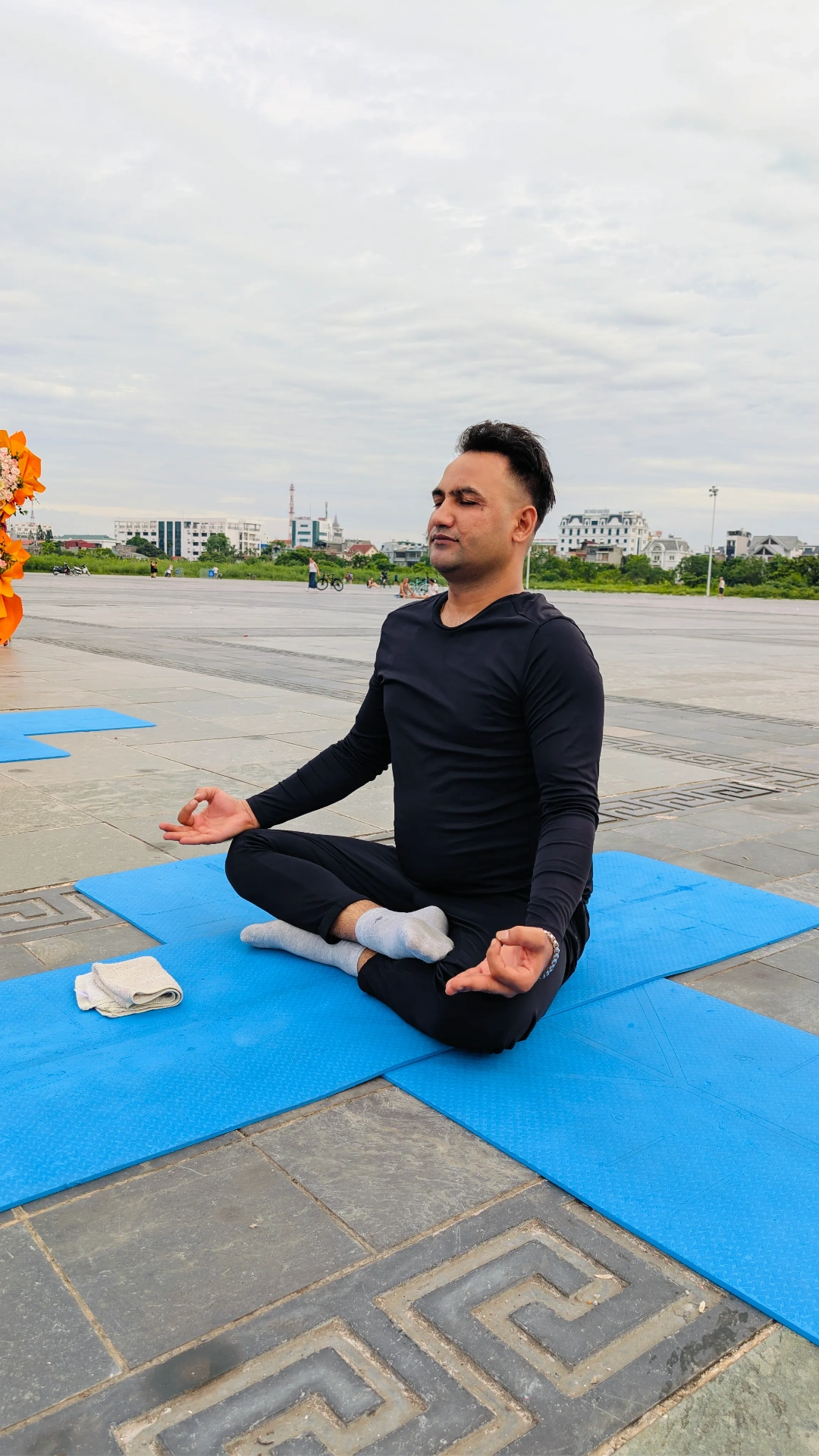
Master Anil Choudhary — Certified Indian Yoga Master and therapeutic yoga teacher

Master Anil has supported many students living with hypo- and hyperthyroid conditions over 12+ years of teaching. His approach is patient and practical — coordinated with your medical team, adapted to your energy each day, and built for the long, quiet work that thyroid conditions actually require.

His teaching principle for endocrine work: "The glands do not respond to effort. They respond to steadiness — of breath, sleep and rhythm — kept up patiently over months."

Certified in classical Hatha, pranayama and therapeutic sequencing

12+ years supporting students with hypo- and hyperthyroid conditions

Small-batch or 1-on-1 attention — practice adapted to your energy today

Studio in Hai Duong · Live online for global students

Integrates asana, pranayama, meditation and lifestyle rhythm

Alignment-first — inversions modified, never forced

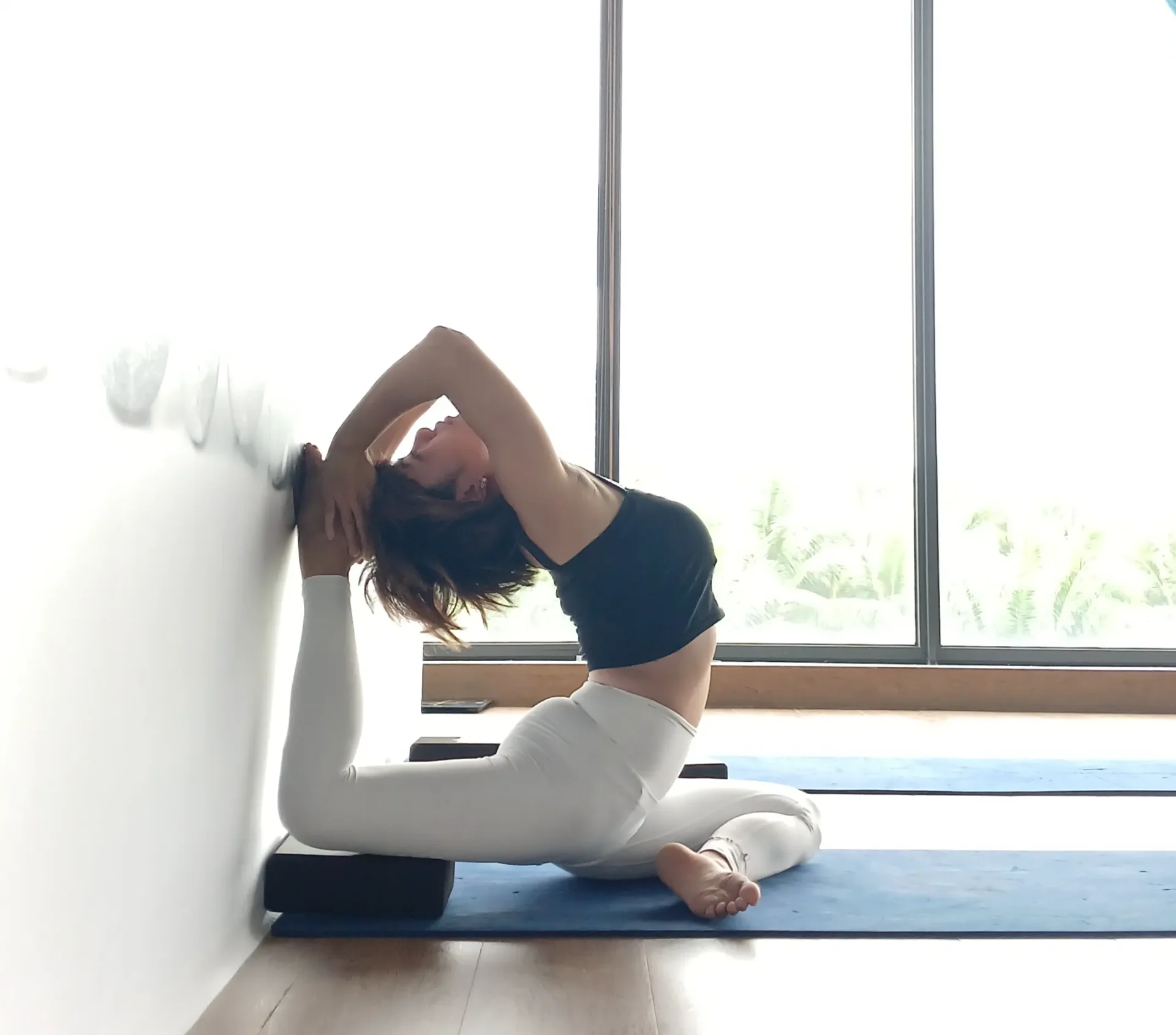
Student in a supported seated stretch by the studio window
Supported practice · gentle throat opening
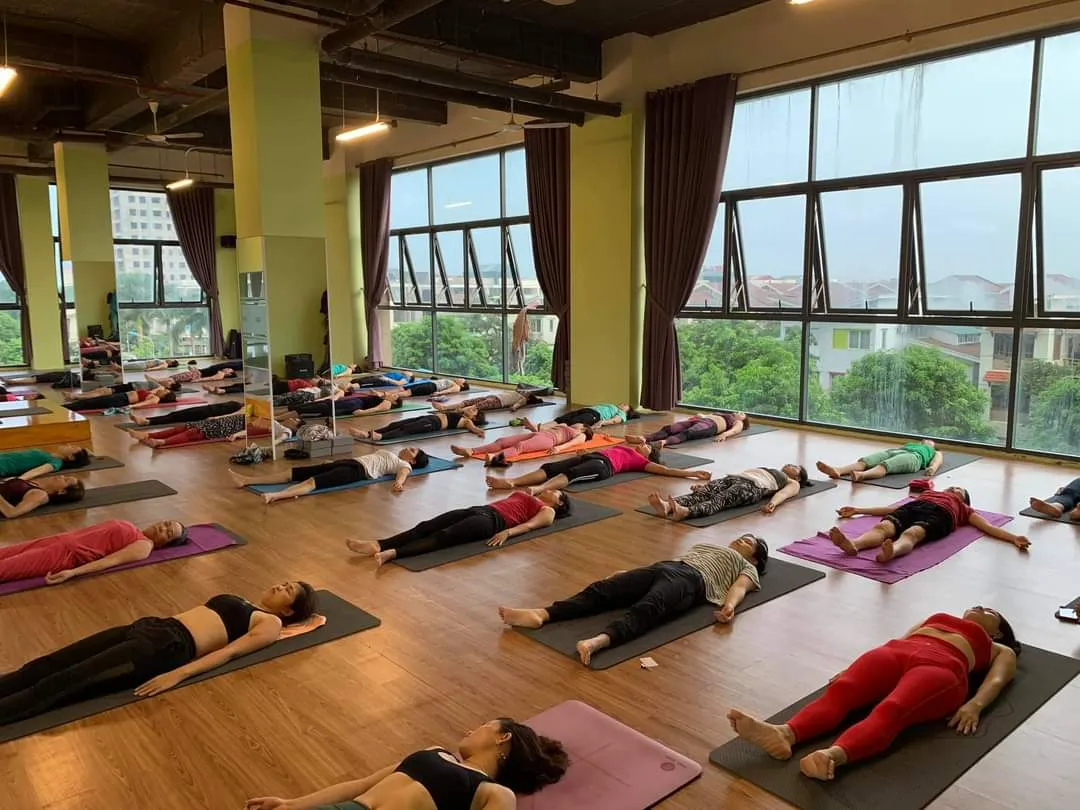
Students resting in Savasana at the close of a therapeutic class
Closing Savasana · nervous-system rest

Real Questions · Honest Answers

What people actually want to know

No jargon. Straight answers grounded in 12+ years of therapeutic teaching.

Can Yoga Help With Thyroid Conditions?

Yes, as a genuinely helpful supporting practice — not a cure. Both hypothyroidism and hyperthyroidism sit inside a wider system of stress, sleep, metabolism and inflammation, and yoga meaningfully influences that whole context. Consistent practice supports metabolism through movement, calms the chronic stress load that worsens most thyroid symptoms, encourages healthy circulation around the throat and endocrine centres, and supports the deep sleep that thyroid conditions so often disrupt. Combined with your medical treatment, it can noticeably improve day-to-day energy, mood and symptom stability.

  • Supports metabolism through consistent, breath-led movement.
  • Lowers chronic stress — a major driver of thyroid symptom flare-ups.
  • Encourages healthy circulation around the throat and endocrine centres.
  • Improves the deep sleep that thyroid conditions frequently disrupt.
  • Works alongside medical care to stabilise day-to-day energy and mood.

What Practices Are Recommended for Thyroid Health?

Master Anil weaves several thoughtful elements into a thyroid-supportive practice. Shoulder-stand-family postures (Sarvangasana, supported Setu Bandha, chin-lock variations) traditionally support the throat area, but are always modified for your neck and blood pressure — never forced. Ujjayi and bhramari pranayama work directly with the throat. Gentle backbends open the front of the neck without strain. And an unhurried closing meditation grounds the nervous system, which is essential for hyperthyroid students in particular.

  • Shoulder-stand-family postures — always adapted to your neck and blood pressure.
  • Supported bridge (Setu Bandha) — a gentler alternative for many students.
  • Ujjayi and bhramari pranayama — direct, gentle work with the throat area.
  • Gentle backbends — open the front of the neck without strain.
  • Longer closing meditation — essential for hyperthyroid nervous-system calm.
  • Never forced. Never rushed. Always adapted to your energy today.

What to Expect in a Therapeutic Thyroid-Focused Session?

Your first session begins with a private intake — condition (hypo or hyper), current medication and dose, recent labs if you can share them, sleep, stress load and energy patterns. Master Anil then guides a sequence adapted to your current state — softer and more grounding on low-energy days, a little stronger when you're feeling stable. Every plan is longitudinal: we watch how you feel across weeks, not one class, and adjust as your body and labs evolve.

  • Private intake — condition, medication, recent labs, sleep, energy.
  • Sequencing adapted to your current energy — never a generic plan.
  • Gentle joint mobility → shoulder / throat work → closing pranayama and meditation.
  • Inversions modified for neck safety and blood pressure.
  • A short home practice map you can do on lower-energy days.
  • Progress tracked across weeks and cycles, not single sessions.

Is This a Replacement for Medical Treatment?

No — and it's important we're clear about that. Thyroid conditions require ongoing medical management with a doctor, including prescribed medication and regular lab monitoring. Please do not stop or reduce medication based on how yoga makes you feel; hormone levels change slowly and quietly. Yoga is a genuinely valuable supporting practice — the piece that addresses stress, sleep, circulation and quality of life — but it complements medical care, never replaces it. Master Anil works comfortably alongside your endocrinologist's plan.

  • Continue medical care with your endocrinologist or GP.
  • Never stop or reduce thyroid medication based on how yoga feels.
  • Bring recent labs and current dose so the practice can be built around them.
  • Yoga complements — it never replaces — prescribed treatment.
  • Best outcomes come from combining medical care and consistent practice.

A note on safety: Thyroid conditions require ongoing medical management and lab monitoring. Please continue seeing your doctor, keep taking prescribed medication, and treat yoga as a powerful supporting practice — never a replacement. If you have uncontrolled blood pressure, glaucoma, recent neck injury or are pregnant, share this at your intake — shoulder-stand-family postures will be replaced with gentler alternatives.

"I still take my medication and see my doctor every six months. But my energy is steadier, I sleep deeply, and the fog that used to define my mornings is mostly gone."
Long-term Student · Online Community

Begin Today

Steadiness, not urgency.

Book a free consultation with Master Anil to design a thyroid-supportive practice around your medical plan.